High Creatinine Levels: Causes, Symptoms & When You Need Nephrology Care

Introduction
You receive a blood test report. Creatinine is high. You immediately think about kidney damage or long-term illness.
But high creatinine does not always mean severe kidney disease. It often reflects dehydration, medications, or temporary stress on the kidneys. Understanding the reason behind it is important. This is where Nephrology plays a key role in evaluation and treatment planning.
In this blog, you will understand what high creatinine means, why it happens, what symptoms to watch for and when you should consult a specialist or a Nephrologist in Mumbai.
You will also learn how kidney evaluation is done in clinical practice, including at centers like Dr Das Multispeciality Hospital.
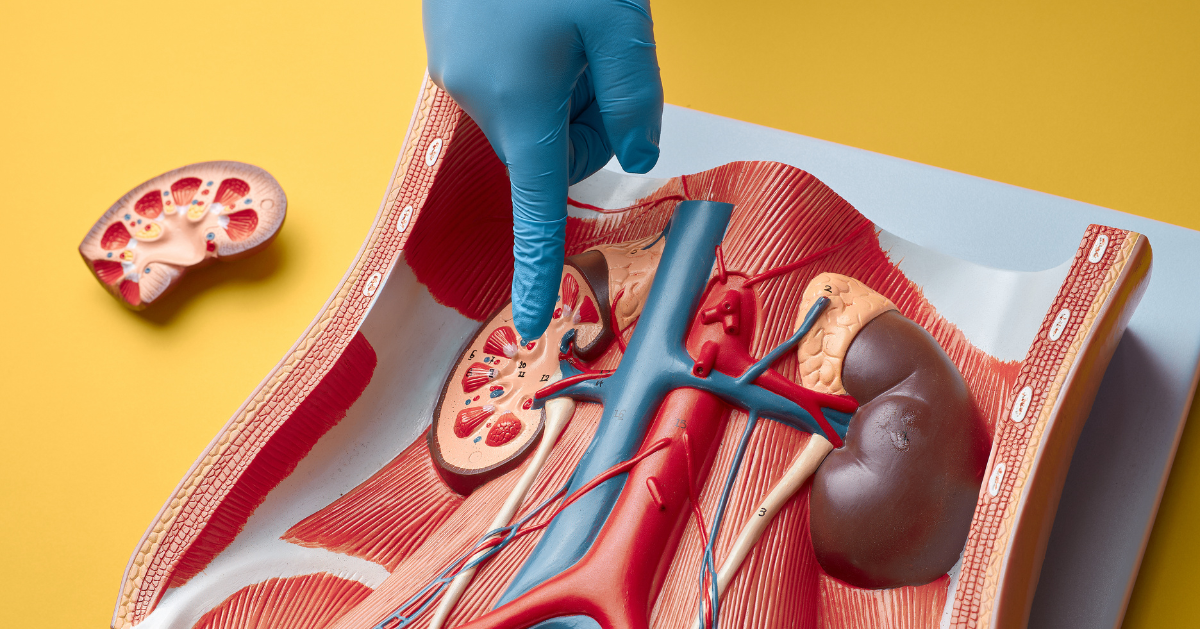
What Creatinine Tells About Your Kidneys
Creatinine is a waste product formed by muscle activity. Your kidneys filter it out through urine. When kidney function slows, creatinine starts rising in blood tests.
This makes it an important marker in Nephrology practice. Normal levels vary depending on muscle mass, age, and gender. A single number is not enough to judge kidney health.
Doctors look at trends over time and combine it with eGFR values. In clinical Nephrology, creatinine is never read alone. It is always linked with urine tests, blood pressure, and medical history.
Common Causes of High Creatinine Levels
High creatinine can come from different mechanisms. Doctors usually classify them based on kidney involvement.
1. Reduced Blood Flow to Kidneys
Dehydration is a common reason. Low fluid intake reduces kidney filtration efficiency. Severe infections or blood loss can also reduce kidney perfusion.
2. Kidney-Related Conditions
Chronic kidney disease is a major concern. It develops slowly and often remains silent in early stages. Acute kidney injury can also cause sudden rise in creatinine. This is where Nephrology evaluation becomes important for early diagnosis.
3. Urine Flow Blockage
Kidney stones or prostate enlargement can block urine flow. This leads to back pressure on kidneys and raises creatinine levels.
4. Medications and Toxins
Long-term use of painkillers affects kidney filtration. Some antibiotics and contrast dyes used in scans may temporarily increase levels. In such cases, a Nephrologist in Mumbai often reviews medication history before making a diagnosis.
5. Lifestyle and Physical Stress
Heavy exercise can increase muscle breakdown. This leads to temporary elevation in creatinine without kidney disease.
Symptoms You Should Not Ignore
High creatinine often develops silently. Many people feel normal in early stages. As kidney function reduces, symptoms may appear:
- Constant fatigue
- Swelling in feet or face
- Reduced urine output
- Foamy urine
- Loss of appetite
- Nausea or vomiting
- Itching in body
- Shortness of breath in advanced cases
These symptoms do not always confirm kidney disease. They only indicate that kidney function needs evaluation. A Nephrologist in Mumbai will usually correlate symptoms with lab tests before diagnosis.
How Doctors Evaluate High Creatinine
Creatinine alone does not give a complete picture. Doctors use multiple steps:
In structured Nephrology practice, treatment decisions are based on combined results, not single reports.
When You Should Consult a Specialist
You should not delay evaluation if:
- Creatinine levels are rising in repeated tests
- Swelling is persistent
- Urine output is reduced
- You have diabetes or high blood pressure
- You experience unexplained fatigue
Early consultation helps prevent progression of kidney damage. A Nephrologist in Mumbai can identify whether the cause is temporary or chronic. Early detection often changes long-term outcomes significantly.
Patients visiting Dr Das Multispeciality Hospital often undergo structured kidney screening when creatinine levels are borderline or increasing.
Understanding Risk Factors in Daily Life
Certain conditions increase the chances of kidney stress:
- Long-standing diabetes
- Uncontrolled blood pressure
- Frequent painkiller use
- Low water intake habits
- Family history of kidney disease
- Age-related decline in kidney function
These factors are often monitored in Nephrology clinics to prevent silent kidney damage. A preventive approach is common in modern kidney care, especially when guided by a Nephrologist in Mumbai who tracks changes over time instead of reacting late.
Management Approach for High Creatinine
Treatment depends entirely on the cause. If dehydration is the reason, fluid correction improves levels. If medication is responsible, doctors adjust dosage or replace drugs. If kidney disease is present, long-term management is required.
Diet changes also play a role:
- Controlled protein intake
- Reduced salt consumption
- Proper hydration balance
In advanced cases, structured Nephrology care becomes necessary to slow progression and protect kidney function. Hospitals like Dr Das Multispeciality Hospital follow a stepwise evaluation approach before deciding treatment plans.
Frequently Asked Questions (FAQs)
Conclusion
High creatinine levels are a signal, not a diagnosis. They point toward changes in kidney function that need proper evaluation. Understanding the cause helps avoid unnecessary fear and delays.
Nephrology plays a key role in identifying whether the issue is temporary or long-term. Early consultation with a Nephrologist in Mumbai helps in accurate diagnosis and timely management.
Clinics and hospitals such as Dr Das Multispeciality Hospital focus on structured kidney evaluation to guide the right treatment approach.
If your reports show changes, do not ignore them. Simple testing today can prevent serious kidney problems in the future.
Nephrology Department
Dr Das Multispeciality Hospital, Mumbai
Kidney Care & Creatinine Evaluation Specialists
Book a Consultation
Schedule your nephrology consultation at Dr Das Multispeciality Hospital for accurate creatinine evaluation and kidney health guidance.
Book Appointment