How Viral Infections Affect Kidney Health: Symptoms, Risks and Prevention

Introduction
You think your fever is only affecting your energy levels, but your kidneys could also be under stress without showing obvious signs.
Some viral infections trigger inflammation, dehydration, and changes in blood flow that affect how your kidneys filter waste from your body.
The problem is that kidney stress often develops silently. By the time symptoms become noticeable, kidney function may already be affected.
Understanding the warning signs, risk factors, and prevention steps can help you protect your kidneys during and after a viral infection.
Can a Viral Infection Really Affect Your Kidneys?
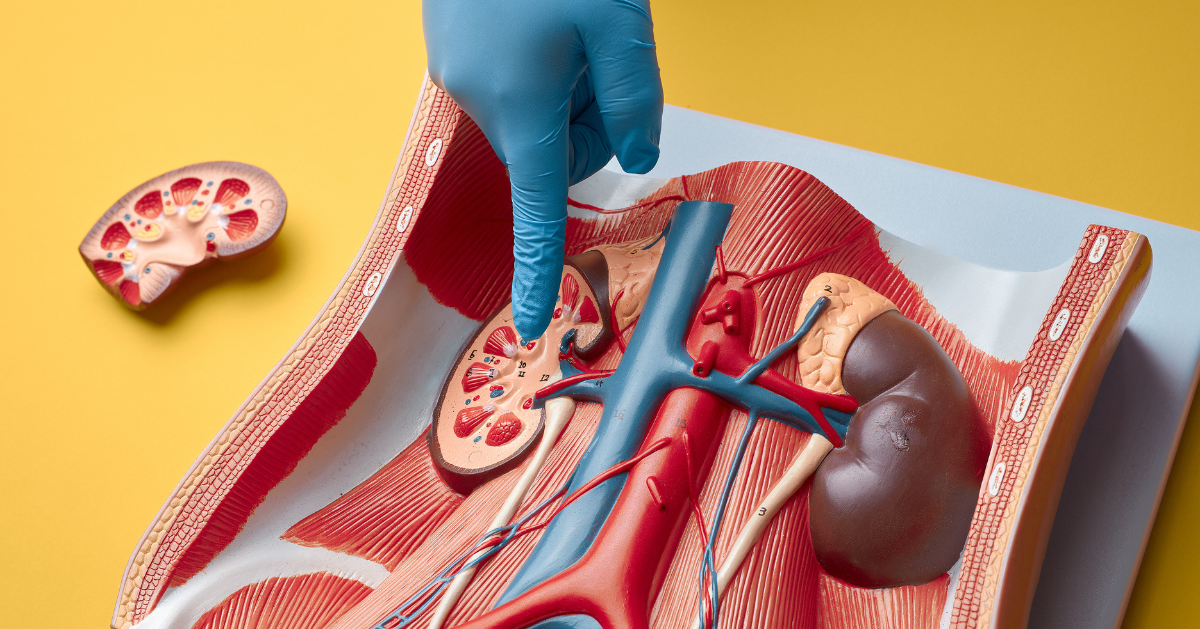
Yes. While most viral infections resolve without causing kidney damage, certain infections can put significant pressure on kidney function.
Your kidneys work continuously to remove waste, balance fluids, and maintain healthy levels of minerals in your blood. When your body fights a virus, the immune response can trigger inflammation that affects these functions.
Some viruses linked with kidney complications include:
- Hepatitis B and Hepatitis C
- HIV
- Severe influenza infections
- COVID-19, especially in patients with severe illness
In some cases, the infection directly affects kidney tissues. In others, kidney injury happens because of complications such as dehydration, high fever, low blood pressure, or medication use during illness.
This is why doctors specializing in Nephrology focus not only on kidney diseases but also on identifying kidney stress caused by other health conditions.
Kidney Warning Signs You Should Not Ignore
Your urine can reveal early changes in kidney function.
Look out for:
- Dark-colored urine
- Reduced urine output
- Blood in urine
- Excessive foam in urine
Persistent foam may indicate protein leakage into urine. Healthy kidneys usually prevent large amounts of protein from passing through. When filtering ability decreases, protein can escape and appear as bubbles or foam.
When kidneys struggle to remove extra fluid, water can accumulate in body tissues.
You may notice:
- Puffy eyes after waking up
- Tight-fitting shoes
- Swelling around ankles
Feeling weak during fever is normal. But ongoing fatigue after the infection improves may indicate that your body is dealing with another issue.
When kidneys cannot remove waste properly, harmful substances can build up in the blood and contribute to weakness and reduced energy.
Pain in the lower back or side area, especially with fever, urinary symptoms, or chills, requires medical evaluation.
Not every back pain is related to kidneys, but combining symptoms can provide important clues.
The Hidden Kidney Risks During Viral Infections
Fever, vomiting, and diarrhea can quickly reduce fluid levels in your body.
Your kidneys need enough blood flow to filter waste properly. When dehydration reduces circulation, the kidneys have to work harder.
Simple steps like drinking enough fluids and monitoring urine color can help you stay aware of hydration levels.
Many people take painkillers during viral infections without realizing their impact on kidneys.
Non-steroidal anti-inflammatory drugs (NSAIDs), including ibuprofen and naproxen, can increase kidney stress, especially when you are dehydrated.
Taking these medicines frequently, without medical guidance, can raise the risk of kidney problems in vulnerable individuals.
If you have kidney disease, diabetes, high blood pressure, or are recovering from a severe infection, always discuss medication use with your doctor.
People with conditions such as:
- Chronic kidney disease
- Diabetes
- High blood pressure
- Heart-related conditions
A Nephrologist in Mumbai can help assess kidney function through blood tests, urine tests, and other evaluations when kidney involvement is suspected.
When Should You Consult a Kidney Specialist?
Many people wait for symptoms to become severe before seeking medical help. This delay can make treatment more difficult.
Consult a kidney specialist if you experience:
- Reduced urine production
- Blood in urine
- Persistent swelling
- High fever with urinary changes
- Unusual fatigue after infection recovery
- Increased creatinine levels in blood tests
At Dr Das Multispeciality Hospital, kidney health evaluation focuses on identifying problems early and providing appropriate medical guidance based on individual needs.
How Doctors Check Kidney Damage After a Viral Infection
A proper evaluation helps identify whether the kidneys are temporarily affected or require long-term care.
Creatinine and other kidney markers help measure how effectively your kidneys are filtering waste.
Urine analysis can detect:
- Protein leakage
- Blood cells
- Signs of infection
Ultrasound and other imaging methods help doctors examine kidney size, structure, and possible abnormalities.
For complex kidney-related concerns associated with urinary cancers or surgical conditions, patients may also require consultation with specialists such as a Uro-Oncologist in Mumbai.
Protecting Your Kidney Health During Viral Illness
Small decisions during an infection can make a major difference.
Drink enough fluids unless your doctor has advised fluid restriction.
Monitor your urine. Very dark urine often indicates that your body needs more fluids.
Do not combine multiple fever medicines or painkillers without understanding their effects.
Especially avoid unnecessary use of NSAIDs during dehydration.
Keep diabetes and blood pressure under control.
These conditions already affect kidney health, and infections can increase the strain.
If tests show kidney changes after a viral infection, follow-up monitoring helps track recovery.
Viral Infections and Modern Kidney-Related Care
Kidney care today involves accurate diagnosis, personalized treatment, and advanced technology.
While viral infections mainly require medical management and monitoring, some patients may have overlapping urinary or cancer-related concerns requiring specialized care.
Advanced procedures such as Uro Oncology Robotic Surgery in Mumbai are used for selected urological cancer cases, offering precision-focused surgical approaches under expert supervision.
Specialists like Dr. Varun V. Agarwal provide expertise in uro-oncology and advanced surgical treatments for patients requiring specialized evaluation.
FAQs: Common Questions About Viral Infections and Kidney Health
Conclusion
A viral infection may appear temporary, but its impact on your kidneys should not be overlooked. Changes in urine, swelling, unusual fatigue, and dehydration-related problems can signal that your kidneys need attention.
Protecting kidney health starts with simple steps: staying hydrated, avoiding unnecessary medicines, managing existing conditions, and seeking medical advice when symptoms do not improve.
With timely evaluation and the right care, many kidney-related complications can be managed effectively. Paying attention to your body today can help protect your kidney health for the future.
Book a Kidney Health Consultation
Schedule a consultation with the kidney care team at Dr Das Multispeciality Hospital for personalized evaluation, diagnosis, and medical guidance.
Book Appointment